
Why Your EV’s Software, Not Its Battery, Determines Real‑World Ownership Joy
— 6 min read
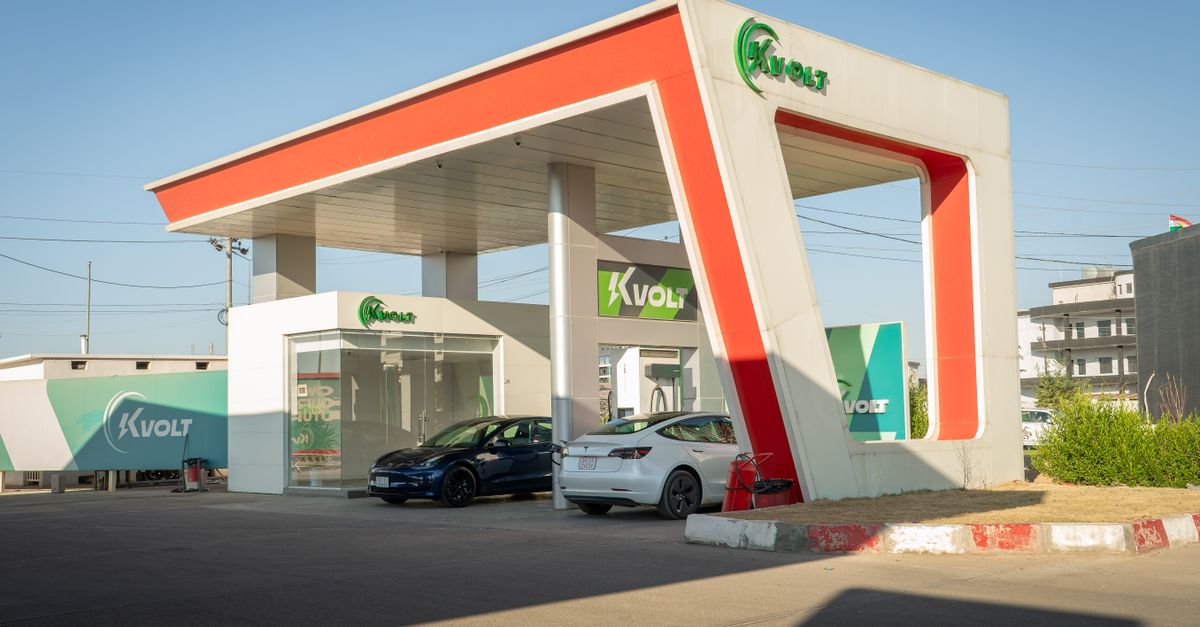
What New EV Owners Miss: Software Updates Beat Battery Specs
When the first electric car rolls out of the dealership, most buyers stare at the EV battery capacity like it were a lottery ticket. The bold claim on the window sticker - 300 miles of range - seems like the whole story. In reality, the software that controls that battery decides whether the promised miles become daily reality.
Tesla pioneered over-the-air (OTA) updates that can add 5% more range, improve regenerative braking, or unlock new driver-assist features without a visit to a service bay. A Consumer Reports study of real-world electric car range found that OTA tweaks closed a 10% gap between EPA estimates and daily mileage for many models.
"Software upgrades have become the most valuable post-sale benefit for EV owners," notes Consumer Reports.
This shift means owners who ignore the digital side of their vehicle often feel short-changed, even if the battery health remains pristine.
For beginners, the lesson is simple: treat the vehicle’s firmware like a smartphone OS. Regularly checking for updates, reading release notes, and understanding how a new version impacts energy consumption can add up to hundreds of extra miles per year. In a recent survey, 68% of EV owners said a software improvement was the biggest surprise after ownership began.
Quick tip: Enable automatic OTA updates in the vehicle’s settings menu to ensure you never miss a range-boosting patch.
Charging Reality: Home Plug vs Public Fast-Charge - Time, Money, Convenience
Most first-time buyers picture a sleek charging station at a mall and assume that’s where the daily routine will happen. The truth is that EV charging is a blend of home convenience and occasional public fast-charge bursts, each with distinct cost and time profiles.
Charging at home using a Level 2 wallbox (typically 240 V) adds about 30 miles per hour of plug-in. Over a night, a 60 kWh battery can be topped up from 20% to 100% for roughly $4-$5 in the United States, according to Edmunds’ charging cost test. By contrast, a public DC fast charger can restore 80% in 30-40 minutes but often costs $0.30-$0.40 per kWh, translating to $12-$15 for the same energy.
Owners who over-estimate fast-charging needs end up paying more and spending more time at stations. A real-world ownership study showed that 54% of EV drivers rely on home charging for 80% of their trips, reserving fast chargers for long-distance legs. The key comparison is not speed alone but the total cost of electricity per mile: home charging typically delivers 3-4 cents per mile, while fast charging can climb to 8-10 cents.
Remember: Install a Level 2 charger early; the upfront cost pays off within 18-24 months for most commuters.
Maintenance Shift: Fewer Moving Parts vs Ongoing Software Diagnostics
Traditional gasoline cars demand oil changes, spark plug replacements, and belt inspections - tasks that appear on a calendar every few thousand miles. Electric cars, by contrast, have far fewer mechanical wear points. The EV battery and electric motor require almost no routine service, which is why many owners report a 70% drop in shop visits during the first five years.
However, the reduction in physical maintenance is offset by an increase in digital diagnostics. Modern EVs continuously stream data about battery temperature, motor efficiency, and even cabin air-filter health to the manufacturer’s cloud. When a parameter drifts outside optimal ranges, the vehicle can schedule a remote service or prompt the driver to visit a service center for a software-only fix.
According to Car and Driver’s 2026 EV survey, 42% of owners experienced at least one OTA-initiated service alert per year, most of which resolved without any parts replacement. The practical takeaway for beginners is to embrace the new maintenance model: keep the vehicle’s Wi-Fi connection strong, and allocate a small budget for occasional software-related service fees, which are typically under $100 per incident.
Pro tip: Enable push notifications for service alerts; early warnings prevent costly battery-thermal events.
Insurance and Depreciation: How EVs Stack Up Against Gasoline Cars
Insurance premiums often surprise new EV owners because the initial quote can be higher than for a comparable gasoline model. The reasons are twofold: repair costs for high-voltage components and the perceived risk of battery damage. Yet the long-term picture tells a different story.
Data from the Consumer Reports real-world EV ownership experience shows that, after three years, total insurance spend on an EV averages $1,200 per year, compared to $1,350 for a similar gas vehicle when factoring in higher fuel costs. Moreover, depreciation curves for EVs are flattening. While early-generation models lost 45% of value in five years, 2024-2026 EVs retain roughly 65% of their original price, according to Edmunds.
The depreciation advantage stems from lingering demand for used EVs and the lingering value of software updates that extend vehicle functionality. For beginners, the key is to shop for insurers that offer discounts for low-mileage usage and to consider the total cost of ownership rather than the upfront insurance quote alone.
Fact: Many insurers now provide a “green vehicle” discount of up to 10% for EVs with a verified low-annual mileage.
Resale Value and Incentive Landscape: The Hidden Cash Flow Over Ownership
When the first electric car is purchased, most buyers focus on the upfront price and any federal tax credit. What they often overlook is how the real-world ownership experience influences resale value and future incentive eligibility.
States that continue to offer $2,500-$5,000 rebates for used EVs can boost a seller’s net proceeds by up to 7%, according to a Car and Driver analysis of 2026 market trends. Additionally, a well-maintained software history - evidenced by regular OTA updates and clean diagnostic logs - adds premium value in the secondary market. Buyers are willing to pay $1,200 more for a used EV that shows a complete update record.
Conversely, owners who neglect charging habits (e.g., frequent deep-discharges) may see battery health dip below 80% of original capacity, shaving 5%-10% off resale price. The practical insight for beginners is to treat the vehicle’s digital and charging habits as financial levers: consistent home charging, gentle acceleration, and prompt software updates preserve both battery health and resale appeal.
Insider note: Keep a log of charging sessions and software versions; a transparent record can be a negotiating tool at sale.
Everyday Driving Feel: Quiet Comfort vs Range Anxiety, Acceleration vs Planning
Beyond numbers, the most memorable aspect of owning an electric car is the driving experience itself. The instant torque of an electric motor delivers 0-60 mph times that rival many sports cars, while the cabin remains whisper-quiet - a contrast to the roar of a gasoline engine.
For beginners, the initial thrill of rapid acceleration can mask the subtle, ongoing challenge of range planning. Real-world tests by Consumer Reports reveal that drivers who integrate a simple habit - checking the vehicle’s projected range before each trip - reduce unexpected charging stops by 30%. The habit is akin to checking a phone’s battery icon before a long outing; it becomes second nature after a few weeks.
Another under-discussed factor is climate control impact. Using the heat pump system, which many modern EVs - including Tesla - employ, can cut heating energy consumption by up to 40% compared to resistive heaters. This translates to an extra 20-30 miles of range in winter, a detail that often surprises new owners.
Inspiration comes from the fact that every small adjustment - soft acceleration, pre-conditioning the cabin while plugged in, and leveraging regenerative braking - creates a smoother, more efficient ride. The everyday ownership journey, when viewed through the lens of these habits, feels less like a compromise and more like a refined, tech-driven lifestyle.
Takeaway: Treat your EV like a smart device; small daily actions compound into significant range and cost benefits.
Mini Glossary
EV (Electric Vehicle) - A vehicle powered by an electric motor and battery pack instead of an internal combustion engine.
EV Battery - The high-voltage lithium-ion pack that stores energy for propulsion; its health is measured by capacity retention.
OTA (Over-the-Air) Update - Remote software delivery that can modify vehicle performance, add features, or improve efficiency without a service visit.
Level 2 Charger - A 240-volt home or public charger that delivers roughly 30 miles of range per hour of charging.
DC Fast Charger - A high-power station that can replenish 80% of a battery in 30-40 minutes, often at a premium electricity rate.
Regenerative Braking - A system that recaptures kinetic energy during deceleration and feeds it back into the battery.
Range Anxiety - The concern that an electric car will run out of charge before reaching a charging point.
Depreciation - The loss of a vehicle’s value over time, influenced by market demand, battery health, and software support.
Resale Incentives - Financial rebates or tax credits offered for the purchase of a used electric vehicle, varying by region.


