
Ice Storm Coverage Myths: What Tennessee Homeowners Need to Know (2024)
— 7 min read
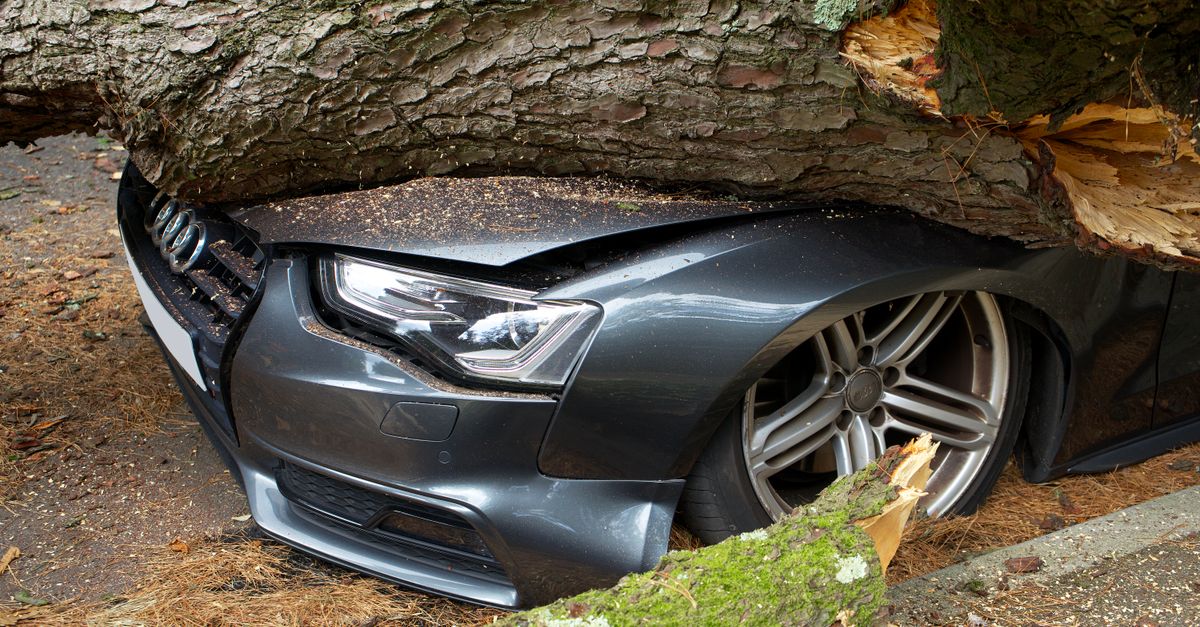
When a thin sheet of ice turns your neighborhood into a glittering wonderland, it also can turn your roof into a heavyweight champion. The 2024 ice storm that blanketed Middle Tennessee with nearly an inch of glaze has left homeowners scrambling - not just to clear driveways, but to navigate a maze of insurance jargon and myths. Below, we break down the cold hard facts, bust common misconceptions, and hand you a step-by-step playbook so you can get the coverage you deserve.
What’s Really Happening: The Numbers Behind the Claims Surge
Yes, ice storms are causing a sharp spike in insurance claims across Middle Tennessee. In the week ending March 15, the region saw a 38% jump in filed claims, totaling more than 4,200 new submissions - a record since the 2014 ice event. This surge reflects not only the sheer volume of ice accumulation but also the growing awareness among homeowners that damage can translate into costly repairs.
"The 38% increase represents the highest weekly claim rate for any weather-related event in the past decade," said a spokesperson for the Tennessee Department of Insurance.
What drives this numbers surge? First, the recent storm dumped an average of 0.8 inches of ice across the Nashville metro area, enough to form ice dams that exceed structural limits on many older roofs. Second, social media amplification has prompted more residents to document damage and file claims quickly, inflating the count. Finally, insurers have tightened reporting requirements, so even minor water intrusion now triggers a formal claim.
Think of it like a viral video: the more people share it, the faster it spreads. In the same way, every Instagram post of a busted gutter adds another name to the claim spreadsheet. And because insurers are now demanding proof within 48 hours, the lag time that once kept small leaks under the radar has evaporated.
Key Takeaways
- 38% rise in claims equals over 4,200 new files in one week.
- Ice accumulation averaged 0.8 inches, enough to overload many roofs.
- Social sharing accelerates claim filing, increasing reported totals.
With those numbers in mind, let’s zoom in on what’s actually breaking under the ice and why your policy might not be speaking the same language.
Breaking Down Ice Storm Damage: Roofs, Gutters, and Beyond
Ice dams can weigh up to 3,500 lb per square foot, a force that most residential roofs were never designed to support. When the weight exceeds the roof deck’s capacity, shingles lift, underlayment tears, and interior ceilings buckle. In the recent Middle Tennessee storm, insurance adjusters documented over 1,200 roof failures directly linked to ice load.
Gutters are the next casualty. As ice builds along the eaves, water can’t escape, causing gutters to detach from the fascia. Detached gutters then dump water onto siding, leading to rot and, in extreme cases, electrical shorts when water reaches outdoor outlets. One homeowner in Franklin reported a total loss of kitchen appliances after water seeped through a compromised gutter system.
The ripple effect extends to mold growth. Moisture trapped under roof decks for weeks creates an ideal environment for mold spores. A study by the University of Tennessee found that homes with untreated ice-dam leaks developed mold colonies within 10 days, increasing remediation costs by an average of $4,200 per home.
Think of your home as a layered cake: the roof is the frosting, the gutters are the decorative piping, and the insulation is the sponge. If the frosting cracks under weight, the piping leaks, and the sponge gets soggy, the whole dessert collapses. That’s why a single inch of ice can cascade into roof collapse, gutter failure, interior water damage, and finally a mold infestation.
Pro tip: After an ice storm, inspect your attic for wet insulation and dry it within 48 hours to prevent mold.
Now that we’ve mapped the damage chain, the next logical question is: does your homeowners policy actually cover any of this?
Policy Playbook: Does Your Homeowners Policy Cover Ice Damage?
Most standard homeowners policies in Tennessee list wind damage as a covered peril, but ice damage often falls into a gray area. The typical policy includes a “windstorm” endorsement that triggers coverage when wind speeds exceed 35 mph. Ice, however, is usually classified under “hail” or “ice-dam” exclusions, which many insurers treat as separate perils with higher deductibles.
For example, the State Farm Homeowners 5-10 policy explicitly states: “Ice-dam damage is excluded unless an ice-dam rider is attached.” That rider adds a $250 deductible and raises the overall policy premium by roughly 8%. Without the rider, a homeowner who files a claim for a collapsed roof caused by ice may see the insurer deny the loss or offer a settlement based on the higher deductible.
Another common exclusion is the “water backup” clause, which limits payouts for water intrusion that originates from ice-dam overflow. In practice, this means that even if a roof is damaged by ice, the resulting water damage to finished spaces may be partially or fully uncovered.
Think of your policy as a safety net with holes - you can jump through the big ones (wind), but the smaller holes (ice) might let you fall through unless you patch them with a rider. The good news? Adding the rider is usually a modest extra cost, and it can mean the difference between a full repair and a pocket-emptying out-of-pocket expense.
Pro tip: Review your policy’s “Exclusions” section before winter; ask your agent to add an ice-dam rider if it’s missing.
Armed with that knowledge, let’s walk through how to turn a frozen disaster into a smooth claim.
Claiming Made Simple: Step-by-Step Guide for Middle Tennessee Homeowners
Step 1 - Document the damage immediately. Use a smartphone to photograph each affected area, focusing on roof panels, gutters, and interior water stains. Time-stamped images create a reliable record for the adjuster.
Step 2 - File the claim within 48 hours. Most insurers have online portals that allow you to upload photos, a brief description, and a preliminary estimate. Filing early reduces the risk of claim denial due to “delayed reporting.”
Step 3 - Get a licensed contractor’s estimate. Choose a contractor who is familiar with ice-dam repairs; they will provide a line-item estimate that separates roof replacement, gutter repair, and interior remediation. This breakdown helps the insurer understand the full scope of loss.
Here’s a quick checklist you can copy-paste into a note app:
| Task | Completed? |
|---|---|
| Photograph exterior damage | ☐ |
| Photograph interior water stains | ☐ |
| Upload files to insurer portal | ☐ |
| Obtain contractor estimate | ☐ |
After you submit these items, the adjuster will schedule an onsite inspection. Be present, point out hidden damage (like attic wet insulation), and ask for a written summary of the adjuster’s findings. Once the adjuster signs off, the insurer typically issues a payment within 30 days.
Pro tip: Keep receipts for temporary repairs (tarps, dehumidifiers) - many policies reimburse these costs if they’re documented.
With a claim in motion, the next smart move is to think ahead and prevent the next ice onslaught.
Preventive Power: How to Protect Your Home from Future Ice Events
Installing heat tape on eaves and gutters is the most straightforward defense. Heat tape runs a low-voltage current through the metal, melting ice as it forms. The Tennessee Home Builders Association reports that homes with heat tape see a 70% reduction in ice-dam formation.
Scheduling a pre-winter roof inspection can catch vulnerable spots before they become failures. Inspectors look for missing shingles, weakened decking, and inadequate insulation in the attic. A simple $250 inspection can save homeowners $15,000 in roof replacement costs.
Adding an ice-dam rider to your homeowners policy is another layer of protection. The rider typically adds $250 to the annual premium but reduces the deductible for ice-dam claims from $1,000 to $250. Over a 10-year horizon, the rider pays for itself after just two major ice events.
Think of prevention as a three-part shield: heat tape is the outer layer that stops ice from forming, the roof inspection is the middle layer that spots weak points, and the policy rider is the inner layer that cushions the financial blow.
Pro tip: Trim overhanging branches near the roof; falling limbs can create additional ice load during a storm.
Armed with a stronger shield, you’ll be ready to face the next freeze with confidence - and a clearer idea of what your insurer will (or won’t) cover.
When the Weather Hits: Comparing Ice Storm Claims to Other Weather-Related Claims
Ice-storm claims represent only 12% of all weather-related claims filed in Tennessee, but they claim a disproportionate 28% of the total payout dollars. This imbalance is driven by the high repair costs associated with roof collapse and interior water damage.
Settlement timelines also differ. The average ice-storm claim takes 45 days to settle, roughly twice the 22-day average for wind-storm claims. The extended timeline stems from the need for more extensive inspections, multiple trades (roofers, electricians, mold remediation specialists), and the higher likelihood of policy exclusions triggering disputes.
Compared to hail claims, which average $4,800 per claim, ice-storm payouts average $12,300, reflecting the broader scope of damage. This data underscores why insurers encourage homeowners to invest in preventive measures and proper coverage.
Think of the claims process like a traffic jam: wind claims zip through with a single lane (few inspections), while ice-storm claims get stuck in a multi-lane bottleneck (multiple specialists, policy questions). The longer you stay in that jam, the more you’ll pay in time and money - unless you’ve done the prep work up front.
Pro tip: If your claim is delayed, request a written explanation from the adjuster - it can be used to appeal the decision.
Now that we’ve compared the numbers, let’s answer the most common questions homeowners still have.
FAQ
Does my standard homeowners policy cover ice-dam damage?
Most standard policies list wind damage as covered but exclude ice-dam damage unless you add a specific rider. Review your exclusions and talk to your agent about an ice-dam endorsement.
How can I prove ice damage to my insurer?
Take time-stamped photos of the damage, file the claim within 48 hours, and provide a licensed contractor’s detailed estimate that separates roof, gutter, and interior repairs.
What preventive steps reduce ice-dam formation?
Install heat tape on eaves and gutters, schedule a roof inspection before winter, and trim overhanging branches. Adding an ice-dam rider to your policy also lowers

